 You’re a good photographer. Your work proves it. But getting people to actually book you? That’s a different challenge entirely.
Promoting your photography business online comes down to two things: being found by the right people, and making it easy for them to hire you. Whether you shoot weddings, portraits, commercial work, or events, the photographers getting consistent bookings aren’t just posting great images – they’re making sure those images reach people who are ready to enquire.
This means having a website that works as hard as you do, using SEO so clients can find you when they’re searching, showing up on social media in ways that lead to bookings, and making sure your Google Business Profile does its job. Your portfolio is what seals the deal, but only if people can find it first.
Building a Strong Website
Your website is the one part of your online presence you actually own. Social media platforms can change their algorithms, suspend accounts, or disappear entirely. Your website stays yours. More importantly, it’s where enquiries happen. Instagram might showcase your work, Google searches might surface your name, but your website is where potential clients make the decision to contact you.
Think of it as the hub. Everything else you do online – SEO, social media, your Google Business Profile – exists to drive people here. Once they arrive, your website needs to do two things: prove you’re worth hiring, and make it dead simple to get in touch.
What Actually Converts Browsers into Clients
A portfolio alone won’t cut it. Potential clients are comparing you against dozens of other photographers, so your website needs to answer their questions before they move on to the next option.
Your portfolio should tell stories, not just show images.
Organise by category (weddings, portraits, commercial), but don’t stop at galleries. Add context. A wedding gallery with a line about the venue, the couple’s vision, or a challenge you solved shows clients you understand what they’re hiring you for – not just pretty pictures, but someone who gets the job done.
Be clear about what you offer and what it costs.
You don’t need to publish every price, but give people enough information to know whether they can afford your services. Vague “contact for pricing” on everything wastes your time fielding enquiries from people who were never going to book. Packages, starting prices, or even a range helps serious clients self-qualify.
Make contact effortless.
A prominent contact form, phone number, or email on every page removes friction. The easier it is to reach you when interest is high, the more enquiries you’ll get. Bonus: an automated response confirming you’ve received their message shows professionalism and keeps you top of mind while they’re still comparing options. I’m amazed by how many photographers make it difficult to contact them!
Show proof you deliver.
Testimonials, reviews, or even a simple “Featured in” section with past clients or publications builds credibility. Social proof matters when someone’s deciding between you and three other photographers with similar portfolios.
Your website doesn’t need to be flashy. It needs to load fast, work on mobile, and guide visitors toward one clear action: contacting you. Everything else is secondary. When your SEO, social media, and Google presence are working, they’ll send traffic here. Your website’s job is to turn that traffic into bookings.
Using SEO to Be Found Online
If you’re not showing up in Google searches for your area and specialty, you’re invisible to a huge chunk of potential clients. Not everyone uses Instagram to find a photographer. Many go straight to Google, type “wedding photographer Auckland” or “commercial photographer Wellington,” and start clicking. The difference? Someone Googling those terms is ready to book. Someone scrolling Instagram is just looking. That’s why SEO matters.
Search engine optimisation isn’t quick. It takes months of consistent effort before you’ll see results. But once your site starts ranking, you’re getting enquiries from people actively searching for what you offer – no algorithm changes, no paying for ads every month, just steady visibility that keeps working.
Local Keywords Are Your Foundation
Most photography work is local. Your SEO should reflect that. Use phrases that combine your service and location: “wedding photographer Christchurch,” “portrait photography Dunedin,” “corporate headshots Wellington.” These specific searches bring in clients who are ready to enquire, not just browse portfolios.
Put these keywords in your page titles, headings, and naturally throughout your content. Don’t stuff them awkwardly – write for humans first, search engines second. A page titled “Wedding Photography in Auckland | [Your Name]” is clear for both Google and potential clients. Do not repeat the same keywords over and over – it looks spammy!
Content That Actually Helps
Blog posts, shoot recaps, or guides can bring in search traffic if they answer real questions your clients have. “Best Wedding Venues in Queenstown” or “What to Wear for Family Photos” targets people planning events who need a photographer. You’re not writing novels – even 500 words answering a specific question can rank and drive traffic.
Case studies work too. Write about a recent shoot: the client’s brief, the location, what you delivered. It showcases your work while naturally including keywords and location names that help with local search.
Image Optimisation Matters More for Photographers
Google can’t “see” your photos, so you need to tell it what they show. Use descriptive file names before uploading: “auckland-wedding-photographer-venue-name.jpg” instead of “IMG_1234.jpg.” Add alt text to every image – a short description like “bride and groom at Waiheke Island vineyard wedding” helps both accessibility and image search rankings.
Image search is underrated. People looking for inspiration often start there, and if your images rank well, they’ll click through to your site.
Try to use web-friendly image formats that reduce file size as much as possible. The .webp format can reduce file size by 90%, greatly improving download speed for viewers who hate waiting.
Keep Your Business Details Consistent
Your business name, address, and phone number need to match exactly across your website, Google Business Profile, and any directories you’re listed on. Inconsistencies confuse search engines and hurt your local rankings. If you’re “Jane Smith Photography” on your website, don’t be “Jane Smith Photos” on Google.
SEO isn’t a one-time setup. It’s an ongoing effort. But unlike social media where you’re fighting for attention every day, SEO builds authority over time. The work you put in now keeps bringing in enquiries months and years later.
Leveraging Social Media the Right Way
Social media platforms don’t owe you anything. Accounts get suspended, algorithms change, and platforms die. Consider the recent case of a NZ photographer losing their Instagram accounts without warning. This demonstrates the risk of building your business entirely on rented land. Some lost years of content and thousands of followers overnight, with no way to recover them. If your entire client pipeline depends on one platform, you’re vulnerable.
That doesn’t mean social media isn’t valuable – it is. But its role is discovery and connection, not the final conversion. Think of it as the top of the funnel. Someone sees your work, gets interested, and then you need to move them somewhere you control: your website. Social media gets attention. Your website gets bookings.
Choose Platforms Based on Where Your Clients Actually Are
Instagram is the obvious choice for photographers – it’s visual, it’s where people expect to find creative work. But don’t assume it’s the only platform worth your time. Facebook still dominates for local community groups and older demographics booking family portraits or events. Pinterest drives traffic for wedding and lifestyle photographers because people use it for planning. TikTok and Reels can reach younger audiences if that’s your target market.
The key is knowing where your ideal clients spend their time, not just where your work looks best. If you shoot corporate headshots, LinkedIn might matter more than Instagram. If you do wedding photography, being active in local wedding planning groups on Facebook can bring more enquiries than a perfectly curated Instagram grid.
Post with Purpose, Not Just Consistency
You don’t need to post every day. You need to post with intent. Every piece of content should either showcase your work, build trust, or move someone closer to enquiring. Behind-the-scenes content, client stories, and before-and-after shots do this better than just another pretty image with a generic caption.
Stories and Reels get strong engagement because they feel more personal and immediate. Use them to show your process, your personality, and what it’s like to work with you. Potential clients aren’t just hiring a photographer – they’re hiring someone they’ll spend hours with at important moments. Let them get a sense of who you are.
Drive People Off the Platform
This sounds counterintuitive, but your goal on social media isn’t to keep people there – it’s to get them to your website. Include your website link in your bio. Mention it in captions when relevant. Use call-to-actions like “See the full gallery on my website” or “Link in bio to enquire.” Make it a natural next step, not a hard sell.
Collaborate and tag strategically. Venues, makeup artists, planners, florists – anyone involved in your shoots. Cross-promotion extends your reach to audiences who are actively planning events and need a photographer. It’s not about follower counts; it’s about getting in front of people ready to book.
Use Social Media Efficiently
It’s easy to spend hours scrolling, engaging, and tweaking posts while convincing yourself it’s “marketing.” Set boundaries. Batch your content creation. Schedule posts in advance. Engage genuinely but don’t let it consume your day. The time you save can go into SEO, updating your website, or actually shooting.
Social media is a tool, not your business. Use it to build visibility and relationships, but always with the understanding that the real work – turning interest into bookings – happens on your website.
Google Business Profile and Directories
When someone searches for a photographer near them, Google prioritises local results. Before they even see organic search results, they see the map pack – those three business listings with photos, reviews, and contact details. If you’re not in that pack, you’re invisible to a significant chunk of potential clients. Your Google Business Profile is what gets you there.
It’s free, it’s powerful, and most photographers underuse it. A well-optimised profile doesn’t just improve your visibility – it builds trust. When someone sees your work, your reviews, and your details all in one place, they’re more likely to click through to your website or contact you directly.
Complete Your Profile Properly
The more information you give Google, the better it can match you with relevant searches. Add every service you offer: weddings, portraits, events, commercial shoots. Specify your service areas – the towns and regions you cover. Include your business hours. It sounds basic, but incomplete profiles rank lower and lose potential enquiries to competitors who bothered filling everything out.
Photos Do Heavy Lifting
Your Google Business Profile isn’t just a listing – it’s a portfolio preview. Upload high-quality images regularly. Fresh photos signal to Google that your business is active, which helps with rankings. More importantly, they give potential clients an immediate sense of your style before they even visit your website.
Show variety: finished work, behind-the-scenes shots, even photos of you working. People hire photographers they feel they can trust, and seeing the person behind the camera helps build that connection.
Reviews Matter More Than You Think
Client reviews influence two things: your ranking in local search and whether someone decides to enquire. A profile with dozens of positive reviews beats one with just a handful, even if the portfolios are similar. Google factors review quantity, quality, and recency into rankings. Potential clients use them to gauge whether you’re reliable and professional.
Make it easy for happy clients to leave reviews. Send a follow-up message after a shoot with a direct link to your profile. Most satisfied clients are willing to leave a review – they just need a gentle prompt and a simple process.
Keep It Active
Google Business Profile has a “Posts” feature that most photographers ignore. Use it. Share recent work, announce promotions, highlight a successful shoot. Posts keep your profile engaging and show up in search results, giving you more visual real estate and signalling that you’re an active business.
Double-check your contact details and website link regularly. If someone wants to enquire and your phone number’s wrong or your website link is broken, you’ve just handed that booking to a competitor.
Directories Provide Additional Visibility
Google dominates local search, but directories give you another way to be found. The key is choosing quality over quantity. You don’t need to be listed everywhere – just on platforms where potential clients actually look.
Directory listings strengthen your local SEO when your business name, address, and phone number (NAP) are consistent across all of them. Inconsistencies confuse search engines and hurt your rankings. Make sure the details match exactly: same business name format, same phone number, same address down to the punctuation.
For New Zealand photographers, platforms like Find Photographers NZ provide a trusted directory where clients actively search for photographers by location and specialty. These kinds of targeted directories put you in front of people who are specifically looking to hire, not just browsing. They complement your Google presence and provide another pathway back to your website.
The goal with both Google Business Profile and directories is the same: be visible where clients are searching, build credibility, and drive traffic to your website where the actual booking happens.
Showcasing Your Portfolio for Enquiries
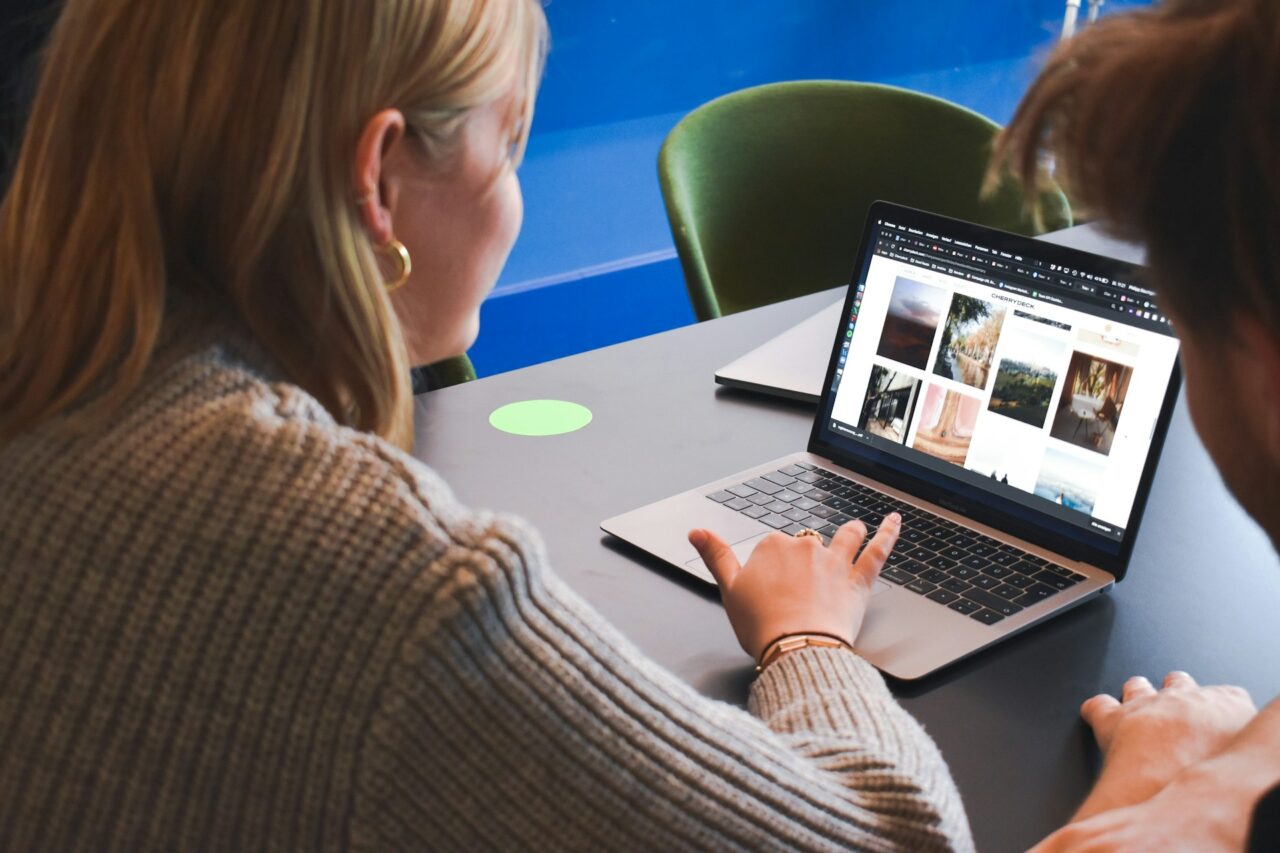 Your portfolio isn’t a career retrospective. It’s a sales tool. Show potential clients the work you want them to hire you for, not every decent shot you’ve ever taken. If you want more wedding bookings, your wedding gallery should be front and center with your absolute best work – not buried three clicks deep alongside everything else you’ve photographed in the last five years.
Potential clients don’t need to see your full range. They need to see whether you can deliver what they’re looking for. A tightly curated portfolio of 30-50 strong images beats a sprawling gallery of 200 where half are just decent. Quality and focus win over quantity every time.
Organise by What Clients Are Looking For
Separate your work into clear categories: weddings, portraits, corporate, events – whatever services you offer. Someone booking a wedding photographer doesn’t want to scroll through corporate headshots to find relevant examples. Make it easy for them to see exactly what they came for.
Within each category, lead with your strongest work. The first few images set expectations. If those don’t grab attention, most people won’t scroll further. Front-load the shots that best represent your style and the results clients can expect.
Context Sells Better Than Images Alone
A gallery of beautiful images proves you can take good photos. Context proves you understand the job. Add short captions or brief case studies that explain the situation: the venue, the client’s brief, a challenge you solved, or what made the shoot successful.
This doesn’t mean writing essays. A line or two is enough. “Outdoor ceremony at Waiheke vineyard, overcast conditions, natural light” tells a potential wedding client you can handle their location and weather concerns. It shifts the portfolio from “nice pictures” to “this photographer knows what they’re doing.”
Make Enquiring Effortless
Your portfolio should make it easy to take the next step while interest is high. Include contact buttons or enquiry links within your galleries, not just at the end. Someone who’s halfway through your wedding portfolio and thinking “I want this person for my wedding” shouldn’t have to hunt for a way to get in touch.
A simple “Enquire about availability” button on each portfolio page removes friction. The easier you make it, the more enquiries you’ll get from people who are ready to book.
Use Video Where It Adds Value
Video highlights, behind-the-scenes clips, or short slideshows can make your portfolio more engaging – but only if they add something. A 15-second Reel showing the energy of a wedding day or the process of a commercial shoot gives potential clients a better sense of what working with you is like. Random video just for the sake of having video dilutes your portfolio.
Keep it purposeful. If a video doesn’t showcase your work or help clients picture themselves hiring you, leave it out.
Your Portfolio Lives on Your Website
Social media gives people a taste of your work. Your website portfolio is where they make the decision. Instagram grids are limiting – you’re at the mercy of the algorithm and the platform’s layout. Your website gives you full control over how work is presented, organized, and experienced.
This is where all your other promotional efforts should lead. SEO brings people searching for photographers. Social media gets them interested. Your Google Business Profile builds trust. But your portfolio on your website is what turns that interest into an enquiry. Everything else is just driving traffic to this point.
Bringing It All Together
Each piece of your online presence has a job to do, but they’re most effective when they work as a system. Your website is the hub. SEO makes you findable. Social media builds awareness. Google Business Profile and directories give you local visibility. Your portfolio closes the deal. When they’re aligned and pointing people in the same direction, you get consistent enquiries instead of sporadic interest that goes nowhere.
The challenge is knowing where to focus first. Trying to do everything at once spreads you too thin and nothing gets done well. Start with what gives you the most immediate return, then build from there.
Prioritize Based on Where You Are
If you don’t have a functional website, that’s step one. Everything else depends on having a place to send people where they can see your work and contact you. It doesn’t need to be perfect – a clean portfolio, clear services, and an easy way to enquire is enough to start. You can refine it later.
Once your website exists, set up your Google Business Profile if you haven’t already. It’s free, it takes less than an hour, and it’s one of the fastest ways to start appearing in local searches. Add your details, upload photos, and start collecting reviews from past clients. This gives you immediate visibility while your SEO efforts build momentum.
SEO is the long game. Start working on it early – optimize your pages, add local keywords, create some content – but don’t expect results for months. The sooner you start, the sooner it pays off. Even one blog post a month answering client questions or showcasing local shoots builds authority over time.
Social media is ongoing maintenance. You don’t need to post daily, but regular activity keeps you visible. Batch your content creation – spend a couple of hours a month planning and creating posts, then schedule them. This keeps your profiles active without consuming all your time.
Consistency Across Channels Builds Recognition
Your branding, tone, and quality should feel the same everywhere someone encounters you. If your Instagram is casual and fun but your website is stiff and corporate, it creates confusion. If your Google Business Profile has outdated photos while your website showcases recent work, it undermines credibility.
Use the same profile image, business name format, and visual style across platforms. Keep your contact details identical. Write in the same voice whether it’s a social media caption, a blog post, or your About page. Consistency builds trust and makes you more memorable when potential clients are comparing options.
Track What’s Actually Working
Not every effort will drive the same results. Pay attention to where your enquiries are coming from. Ask new clients how they found you. Check your website analytics to see which pages get the most traffic and where visitors drop off. Look at which social posts drive clicks to your website versus just getting likes.
Double down on what’s working. If blog posts about local wedding venues are bringing in engaged couples, write more of them. If Instagram Reels are getting strong engagement and profile visits, make them a regular part of your content. If most of your enquiries mention Google reviews, focus on collecting more.
Cut or reduce what isn’t delivering. If Pinterest isn’t sending any traffic, stop spending time there. If a particular type of content gets zero engagement or clicks, try something different. Your time is limited – focus it where it actually generates enquiries.
The Goal Is Enquiries, Not Vanity Metrics
Likes, followers, and page views feel good, but they don’t pay bills. An Instagram post with 500 likes that generates no enquiries is less valuable than one with 50 likes that sends three people to your website. A blog post with modest traffic that ranks well and brings in steady enquiries beats a viral post that goes nowhere.
Always come back to the question: is this bringing me closer to bookings? If the answer is no, adjust. Your online promotion should serve your business, not just make you look busy.

Leave a Reply
You must be logged in to post a comment.