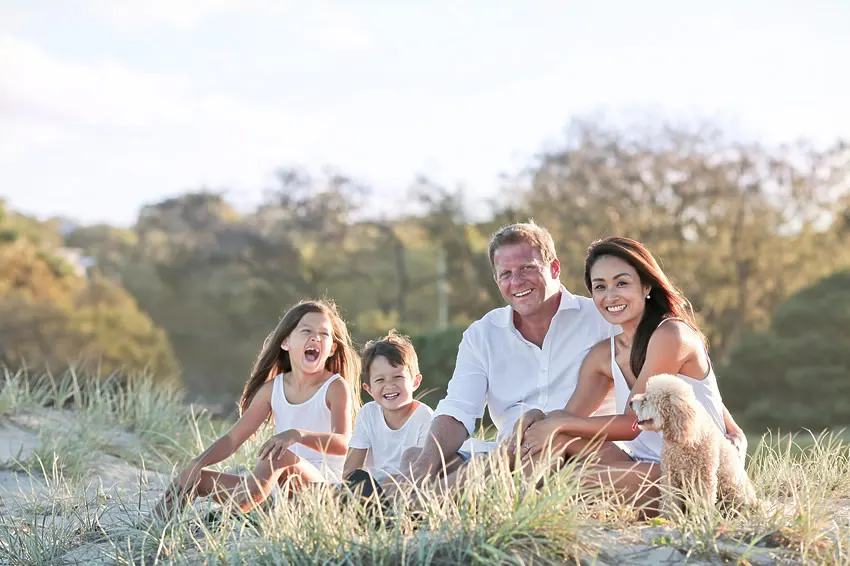
 Getting everyone together for a family photo shoot is exciting, but figuring out what everyone should wear? That can feel like a bit of a mission. The good news is, choosing outfits for family photos doesn’t need to be stressful or require a complete wardrobe overhaul.
The clothes you wear do make a difference in how your photos turn out. They can help draw attention to faces and expressions rather than creating distractions, and they play a role in setting the overall mood of your images. But here in New Zealand, we tend to keep things pretty relaxed and comfortable, and that’s exactly the vibe you want to capture. Your family photos should feel authentically you, not like you’ve all been dressed by a stylist for a magazine cover.
The goal is simple: help your whānau look natural, cohesive and confident on camera without feeling like you’re all wearing uniforms. Let’s walk through some practical tips to make outfit planning easier.
Start with a Colour Palette
Before you start pulling clothes out of wardrobes, it helps to settle on a colour palette. Think of it as choosing 2–3 core colours plus a few neutrals that work well together. This gives everyone a framework to work within while still allowing individual expression.
New Zealand’s natural light is beautiful but it can be soft and subtle, especially on overcast days or during golden hour. Colours that work particularly well in our conditions include soft earthy tones like terracotta, olive and sand, muted blues and greens that echo our coastal and bush landscapes, and warm neutrals like cream, beige and soft grey.
These colours tend to complement skin tones beautifully and won’t compete with the natural environment if you’re shooting outdoors. They also photograph consistently well without looking washed out or overly saturated.
One thing to avoid? Overly bright neons or highly saturated colours. They can reflect colour back onto skin, creating unflattering colour casts in your photos. That bright pink t-shirt might cast a pink glow on faces, and electric blue can do the same. Stick with softer, more muted versions of colours you love.
Patterns
Patterns can add visual interest and personality to your photos, but they need to be used thoughtfully. Subtle patterns work beautifully. Think small florals, gentle checks, fine stripes or delicate prints that add texture without overwhelming the frame.
What doesn’t work as well? Busy prints, large logos and bold, high-contrast stripes. These can be genuinely distracting on camera, pulling focus away from faces and creating visual noise in the image. Logos and text are particularly problematic because they date photos quickly and can dominate what should be a timeless family portrait.
If you want to include patterns, try mixing them sparingly. Perhaps one person wears a subtle patterned piece while others stick to solids that complement it. The photo should still feel balanced overall, with no single element demanding too much attention.
Styles that Flatter on Camera
Fit matters more than you might think. Clothing that fits well and moves naturally with the body photographs much better than items that are too tight or excessively baggy. You want everyone to feel comfortable and look like themselves, not squeezed into something or swimming in fabric.
Texture is your friend when it comes to adding depth to photos. Knits, linen, denim and other natural fabrics create subtle visual interest that keeps images from looking flat. A chunky knit cardigan, a linen shirt or well-fitted jeans all add dimension without being showy.
Think about the season and New Zealand’s famously changeable weather. Autumn calls for layers – cardigans, light jackets and long sleeves that you can adjust as needed. Summer sessions work best with lighter fabrics like cotton and linen that breathe well and don’t cling. And always consider keeping everyone comfortable. If someone’s shivering or overheating, it shows in the photos. Layers are brilliant because they give you options and add visual interest too.
Coordinating the Whole Whānau
Gone are the days of everyone wearing matching white shirts and jeans. Modern family photos aim for harmony rather than uniformity, and the results look much more natural and interesting.
Use your colour palette to tie everyone together while allowing individual style to shine through. The goal is that everyone’s outfit should feel like it belongs in the same photo, but each person still looks like themselves.
Here’s an example: Mum might wear a soft floral dress in muted tones, Dad could choose a neutral shirt in cream or soft grey, and the kids might wear complementary colours from the palette, perhaps a rust-coloured top for one and a sage green for another. Everyone’s coordinated, but nobody looks identical.
This approach respects each family member’s personality and comfort while creating a cohesive overall look. It’s particularly important for teenagers who might resist being told exactly what to wear. Giving them options within the palette usually works much better than dictating a specific outfit.
Special Considerations for Kids
Kids bring their own unique challenges to outfit planning. Comfort and practicality are absolutely key.
Make sure children’s clothes fit well and won’t need constant adjustment during the shoot. Nothing slows down a photo session quite like repeatedly fixing twisted shirts, adjusting waistbands or pulling up falling-down pants. Choose clothes that stay put and allow them to move naturally.
Avoid anything that wrinkles easily or shows every speck of dirt. Kids are magnets for both. Fabrics with a bit of structure and forgiveness work best. Dark colours or patterns can hide minor marks better than pristine white or pale pastels.
Keep hair accessories simple and secure. A sweet ribbon or simple clip is lovely, but anything too elaborate can become a distraction or uncomfortable for little ones. The same goes for footwear. Clean sneakers, simple sandals or bare feet all work beautifully. Avoid brand-new shoes that might cause blisters or anything too fancy that kids will fuss with.
Footwear and Accessories
Details matter, even if they’re not the main focus of your photos.
Shoes should be clean and in good condition. Neutral tones and classic styles work best because they don’t draw unnecessary attention. Scuffed trainers or worn-out sandals can be surprisingly noticeable in full-length shots. If you’re shooting somewhere like a beach or park where bare feet make sense, that works beautifully too.
When it comes to accessories, less is generally more. A simple necklace, watch or bracelet can add personality without stealing focus. Avoid anything too reflective, jangly or bulky. Reflective sunglasses are particularly problematic because they hide eyes and create glare. If you need sunnies during the shoot, your photographer will let you know when to remove them.
Think about hats carefully. They can add character but also cast shadows on faces depending on the light. Chat with your photographer beforehand if you’re keen to include them.
Preparing Outfits ahead of Time
Don’t leave outfit selection until the morning of your shoot. Lay everything out at least a day or two before so you have time to make changes if needed.
Check each item carefully for lint, wrinkles and stains. Give everything a good steam or iron if necessary. It’s much easier to deal with these things at home than trying to fix them on location.
For kids especially, bring backup items. An extra shirt, a spare pair of pants – just in case someone spills something or decides their outfit is suddenly “itchy” right before the session. Adults might appreciate a backup option too, particularly if you’re shooting outdoors where weather can be unpredictable.
Having everything sorted ahead of time means less stress on the day and more energy to focus on enjoying the experience together.
What to Avoid
Let’s recap the key things to steer clear of:
- Ultra-bright colours, particularly neons, can create unflattering colour casts and rarely photograph as intended. Heavy logos and text-covered clothing date photos quickly and create distractions. Clashing patterns make images feel busy and chaotic rather than cohesive.
- Avoid clothing that creases the moment you put it on or needs constant adjusting. If you’re tugging at something all session, that discomfort shows in your expression.
- Perhaps most importantly, don’t wear anything that doesn’t feel like “you”. If you’re uncomfortable or feel like you’re wearing a costume, that awkwardness comes through in photos. Comfort and authenticity create the best images. Your family photos should capture who you really are, not some idealised version that doesn’t feel genuine.
Creating Images you’ll Treasure
Well-chosen outfits help your family shine naturally in photos, but they’re not the whole story. What matters most is the connection between you all, the genuine smiles and the real moments you share together.
Keep things simple, comfortable and true to your whānau’s personality. You know your family best. Choose clothes that make everyone feel confident and relaxed, and the rest will fall into place.
The outfit planning process can actually be quite fun when you approach it together. Get everyone involved, consider each person’s preferences and comfort, and remember that these photos are about capturing your family as you really are.
Now take a breath, lay out those outfits and get ready to create some warm, genuine moments together. Your photographer will handle the rest, and you’ll end up with images you’ll treasure for years to come.

Leave a Reply
You must be logged in to post a comment.